Choosing a dog / K9 ACADEMY
A dog for an apartment: choose a breed for your everyday life
Small size does not guarantee easy care, and large size does not rule out apartment life. Compare activity, rest, care and social needs with your actual daily routine.
Published 9 October 2026 · Practical guide
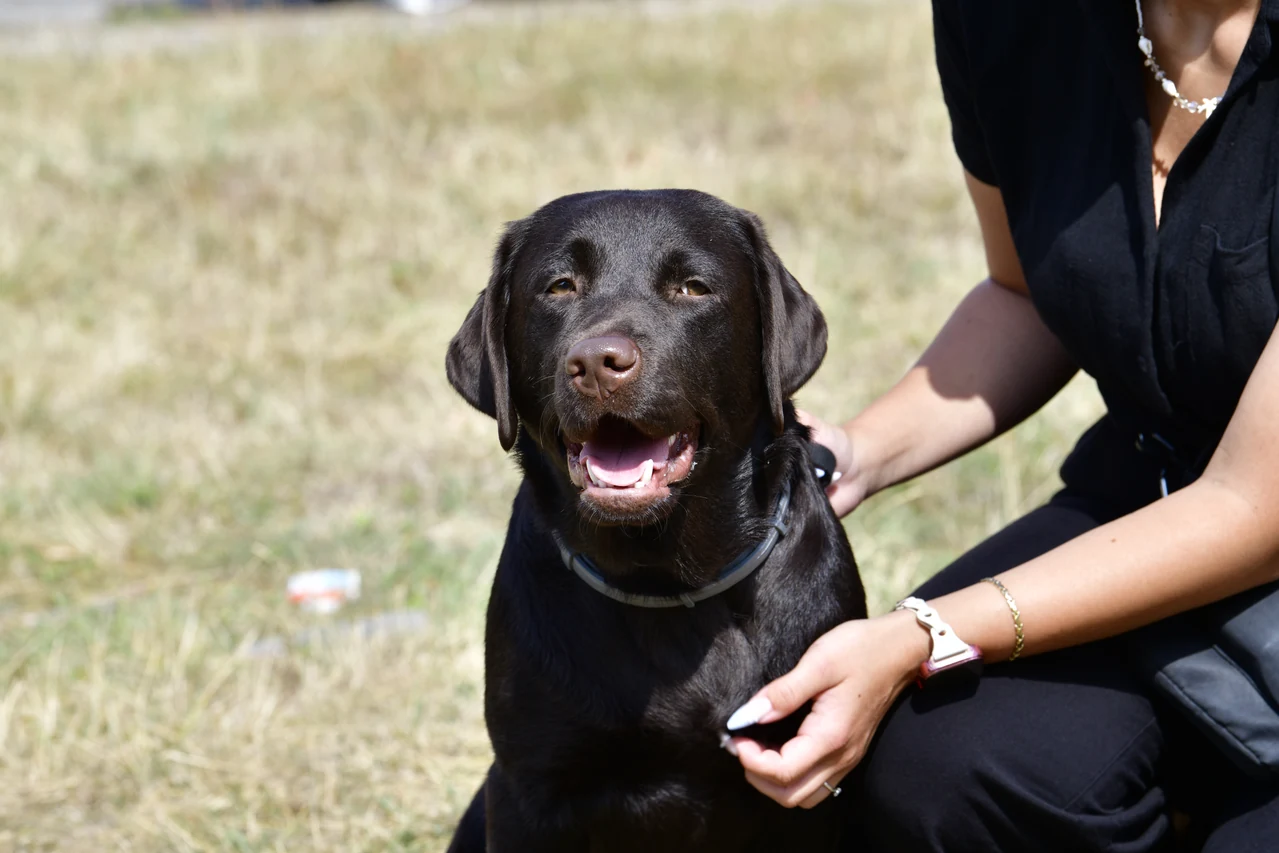
Why there is no single best breed
Two households in similar flats can have very different opportunities. One has a flexible schedule and experience; another is away for long hours without support. A good choice begins with these differences rather than a list of easy dogs.
Breed characteristics offer clues, but the individual has their own temperament and history. Explore our breed selection guide before narrowing choices by appearance.
Walks and mental engagement
Plan for working days, wet weather and busy periods. Dogs vary in the tasks they need, but all need suitable movement, sniffing and rest. A garden does not automatically replace interaction or enrichment.
Avoid choosing an active working type on the promise that you will start exercising. Choose around routines you can actually maintain. Describe your routes, available time and experience for an individual discussion.
K9 / LET’S TALK
Let’s talk about your dog.
Call us to discuss the right training for your dog. Explore our programmes
Noise, neighbours and time alone
Lifts, footsteps and doorbells can be daily challenges. Consider a quiet resting place away from the entrance and how to manage views through a busy window.
Time alone develops gradually. Do not assume a breed will automatically cope with a whole working day. Seek assessment for separation panic rather than punishing noise. Support can include individual behaviour work.
Coat care, health and a realistic budget
Compare food, preventive care, grooming, training and unexpected veterinary costs. Long or specialised coats can require considerable time and professional maintenance regardless of size.
Ask for health screening and records. Discuss breed risks with a veterinarian rather than trusting claims of perfect health or freedom from allergies. Do not make the final decision from a photograph alone.
Children, visitors and other animals
Family life needs supervision and management rather than a promise of a child-friendly breed. Create separate feeding and resting areas and consistent human rules. Children must not disturb sleeping dogs or remove items from their mouths.
Ask about the dog’s actual experience with other animals and plan gradual introductions. Use safe barriers and avoid forcing close contact. Seek help before introductions if uncertain.
Puppy or adult in an apartment
A puppy needs frequent toilet opportunities and support during adjustment. Consider getting outside from an upper floor and arranging help. Read about your first month with a puppy.
An adult may have better-known habits, although a new home is still a change. Ask the rescue or previous carer about rest, walks, time alone and reactions to people. Plan settling-in time for either choice.
Check your plan before deciding
| Question | A useful answer |
|---|---|
| Who provides walks? | A person and feasible times |
| Who helps during absences? | Reliable support or a checked service |
| Where does the dog rest? | A quiet, safe space |
| What is the budget? | Regular care and an emergency reserve |
| How will training begin? | Consistent rules and brief tasks |
Fill missing answers before deciding. Learn more about gradual training for real environments.
Frequently asked questions
Is a small dog always easier?
No. Activity, sensitivity, social behaviour and care needs are more useful criteria.
Can a large dog live in an apartment?
Size alone cannot answer this. Individual needs, safety, access and the daily plan matter.
Is adoption a good option?
It deserves the same careful checks and preparation. Meet the individual dog and ask about known needs.
Sources and further reading
General principles follow guidance from American Veterinary Society of Animal Behavior on reward-based training and safe socialisation. This educational material is not an individual assessment. Seek a veterinarian and qualified professional for pain, sudden changes or bite risk.