Calmer walks / K9 ACADEMY
Dog pulling on the lead: a practical plan for calmer walks
Pulling is not solved by pulling harder yourself. Choose manageable conditions, reward a loose lead and build a clear relationship between calm movement and access to interesting places.
Published 9 October 2026 · Practical guide
Identify where pulling starts
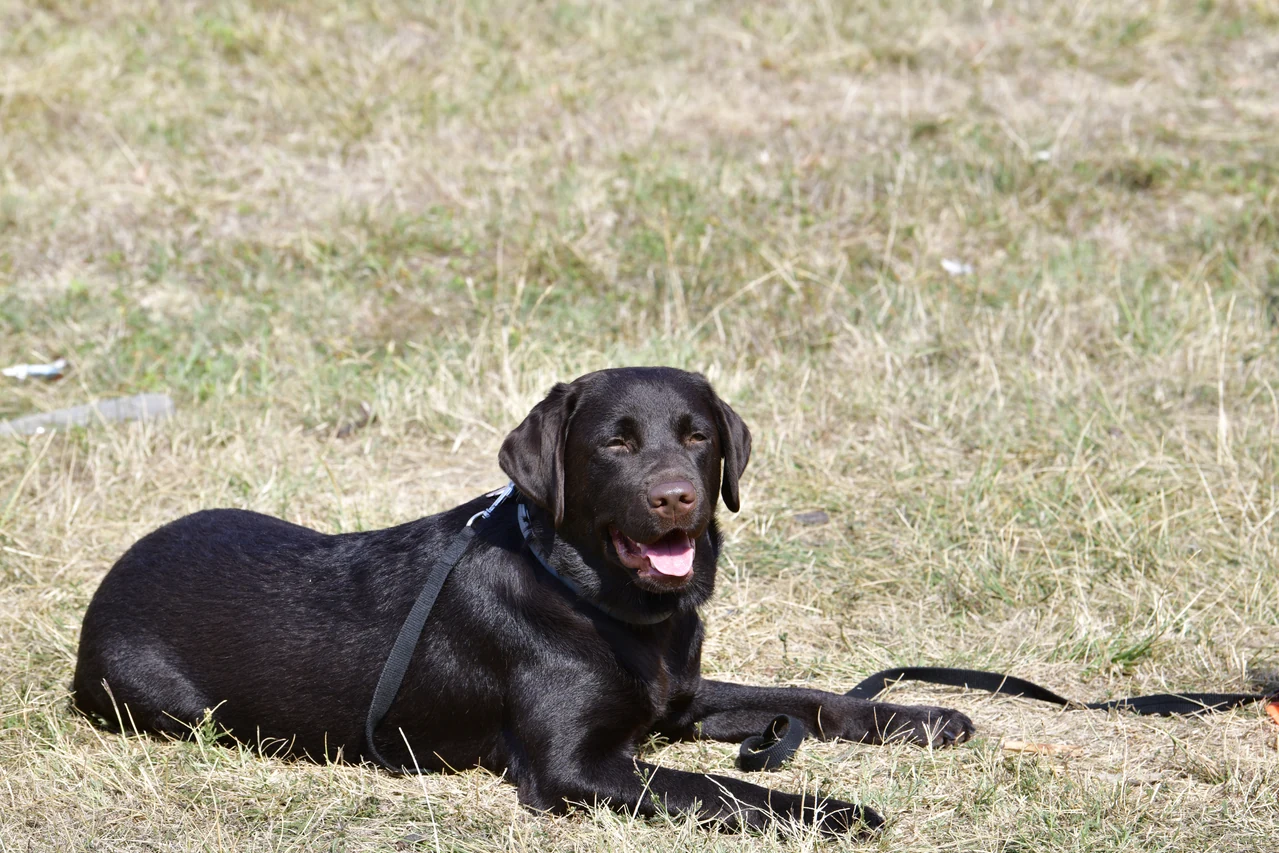
Does pulling begin at the door, near other dogs or only on the route to the park? Record the place, direction and distraction. When tension consistently leads to a desired scent or person, forward movement can maintain the habit.
Pulling can also involve fear or high arousal. For freezing, panic, intense reactions or bite risk, avoid escalating exercises. Seek individual behaviour support and create safe distance.
Equipment that supports learning
Choose comfortable, well-fitting equipment and a lead that allows safe control without constant tension. Check for rubbing or restricted movement. Discuss possible pain with your veterinarian.
Use rewards that are easy to deliver and keep hands free of phones and other items. Avoid pain, sudden corrections or tightening equipment as a route to calm walking. An easier environment is more useful than increased pressure.
K9 / LET’S TALK
Let’s talk about your dog.
Call us to discuss the right training for your dog. Explore our programmes
Exercise one: a few quiet steps
Begin where your dog can notice you. Reward a voluntary approach beside your chosen side. Take two or three steps. Mark and reward again if the lead stays loose.
Do not demand constant eye contact or turn the entire walk into heelwork. The goal is comfortable shared movement. Complete a brief set, then allow a sniffing break. For a beginner, also explore first steps with a puppy.
Exercise two: loose leads open the route
Where safe, stop calmly when the lead tightens. Do not jerk backwards. Wait for slack or use a familiar cue to invite your dog close, then move on.
If stopping increases tension, the task is too hard. Move away from distractions and shorten the route. Access to a suitable sniffing spot can reward a few calm steps.
Exercise three: change direction early
Practise a brief turn cue in a quiet place. Say it, make a smooth change of direction and reward following. This can help before a narrow section or approaching distraction.
A turn should not be a sudden jerk or surprise. Allow space and move predictably. Progressing to harder places follows the same logic as K9 Academy’s gradual training process.
Measure useful progress
Choose a specific stretch and record how often tension occurs, how easily your dog returns towards you and the distance at which distractions remain manageable. Compare similar conditions rather than a quiet morning with a crowded park.
Progress may mean a shorter calm walk or faster recovery after distraction. Behaviour will differ between settings. A difficult day gives information for the next task rather than a reason for punishment.
Common mistakes
- Different rules from each household member.
- Long sessions without sniffing or rest.
- Constantly overwhelming environments.
- Rewards delivered without marking the loose lead clearly.
- Sudden movements that make the lead stressful.
Agree a shared approach and start with one achievable goal. Seek individual assessment for intense reactions to people or dogs.
Questions before your next walk
Must my dog always stay beside my leg?
No. A calm walk can include sniffing and different distances when the lead and environment permit this safely.
Can an adult learn a different habit?
The plan should reflect history, health and circumstances. Begin with a manageable task and consistent responses.
How should I organise practice?
Work on one task at a time. For planning and records, explore our training workbooks.
Sources and further reading
General principles follow guidance from American Veterinary Society of Animal Behavior on reward-based training and safe socialisation. This educational material is not an individual assessment. Seek a veterinarian and qualified professional for pain, sudden changes or bite risk.