Everyday habits / K9 ACADEMY
Puppy biting hands: respond calmly and consistently
Young dogs explore with their mouths, play and sometimes become overexcited. Appropriate toys, a manageable routine and clear pauses help direct behaviour without conflict or punishment.
Published 9 October 2026 · Practical guide
Observe the context first
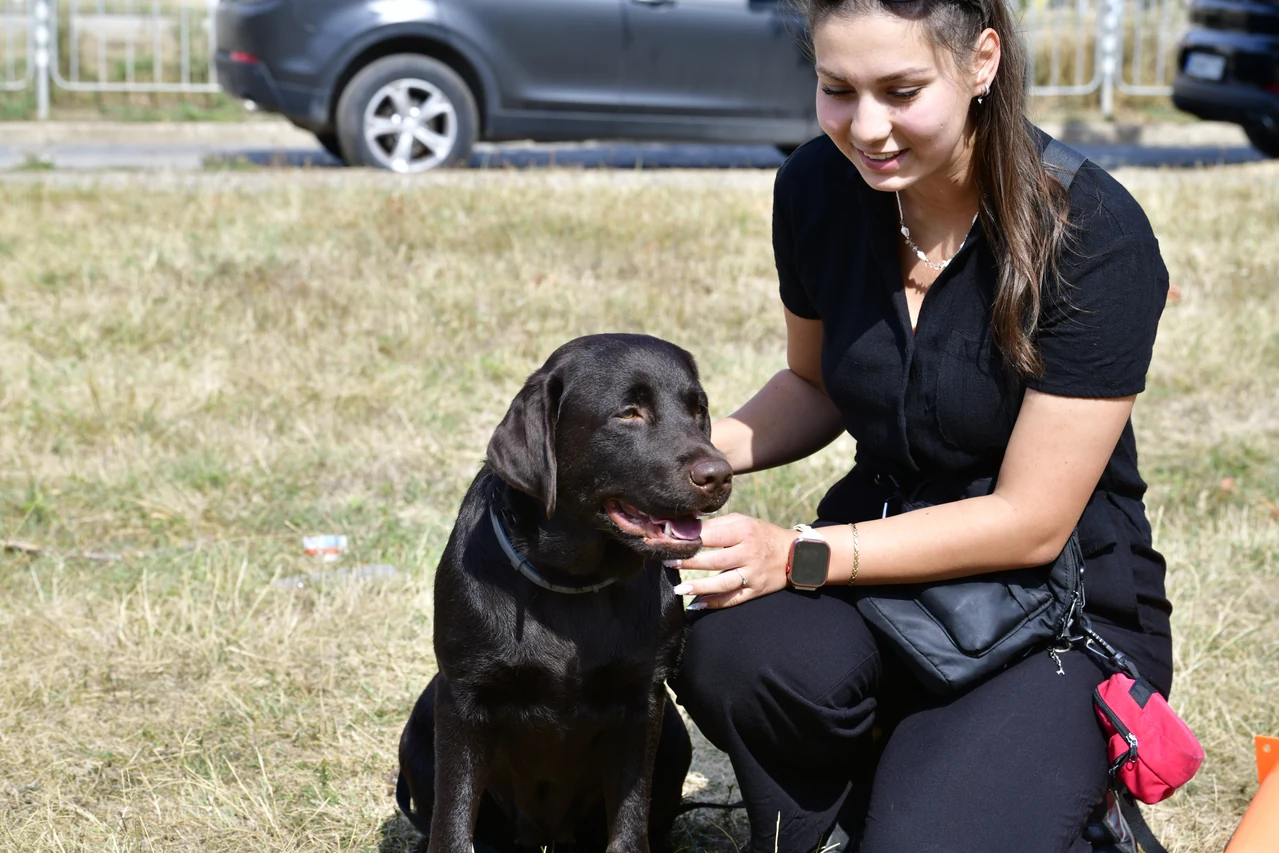
Mouthing does not automatically mean aggression. Notice what came before: rough play, prolonged wakefulness, taking an object or touching a sensitive area. Record the situations rather than searching for one universal command.
For a rigid body, freezing, guarding or an injurious bite, create safety and seek assessment. Do not provoke behaviour to test it. Our puppy training guide explains the basic daily organisation.
Provide a suitable chewing outlet
Prepare safe toys suited to size and chewing style. Check for damage and supervise where appropriate. Discuss suitable materials and teething options with your veterinarian.
Offer a toy before hands become the target. Move it calmly and reward interest. Avoid objects that can break up, be swallowed or damage teeth.
K9 / LET’S TALK
Let’s talk about your dog.
Call us to discuss the right training for your dog. Explore our programmes
Pause play without confrontation
If teeth reach your hand, stop movement and end the interaction calmly. Where safe, step away briefly or use a prepared barrier. Return to a quieter activity when arousal drops.
Avoid waving hands, holding the muzzle or rolling your puppy onto their back. Shouting may intensify play for some dogs. Watch the result: a useful response reduces tension rather than increasing it.
Check opportunities for rest
More play can sometimes mean more mouthing. Your puppy may need a quiet space instead of another task. After an active period, offer water, a toilet opportunity as needed and the chance to sleep.
A rest area should be a familiar, comfortable space rather than punishment. Practise settling when arousal is low. Explore our approach to lasting habits.
Use consistent household rules
If one person encourages hand play and another forbids it, the puppy receives conflicting messages. Agree suitable toys, how to pause and what calm activity follows.
Children should not manage difficult situations themselves. Adults provide supervision and separation through a gate or other safe barrier. Children must not pull food or toys from a dog’s mouth. Teach respect for moving-away signals.
Separate play from handling difficulties
If biting occurs during harness fitting, brushing or lifting, investigate the cause. Discomfort, fear or a lack of gradual introduction may be involved. Avoid forcing through signs of tension.
Discuss possible pain with your veterinarian first. A later plan may use voluntary approaches and short, pleasant steps. For risk, seek an individual behaviour consultation.
A one-week observation sheet
- What happened immediately beforehand?
- How active was the previous period?
- Was a suitable toy available?
- How did the person respond, and what followed?
- What can we change next time?
Track specific situations rather than just a total count. A journal may reveal a recurring time or response that makes things harder. Use our digital workbooks for systematic records.
Frequently asked questions
Is mouth exploration normal?
Exploration and play using the mouth are common, but context, intensity and body signals matter. Do not assume every bite is harmless.
Should I shout “no”?
Environmental management, suitable toys and calm pauses are more useful. Notice whether your response reduces arousal.
When should I ask for help?
Seek assessment and create safety for injury, guarding, sudden change or fear during handling.
Sources and further reading
General principles follow guidance from American Veterinary Society of Animal Behavior on reward-based training and safe socialisation. This educational material is not an individual assessment. Seek a veterinarian and qualified professional for pain, sudden changes or bite risk.