Socialisation / K9 ACADEMY
Puppy socialisation: positive experiences without overload
Socialisation is not a count of encounters. Your puppy’s experience and ability to choose matter more. Introduce people, dogs, sounds and places through brief, safe steps.
Published 9 October 2026 · Practical guide
What does socialisation mean?
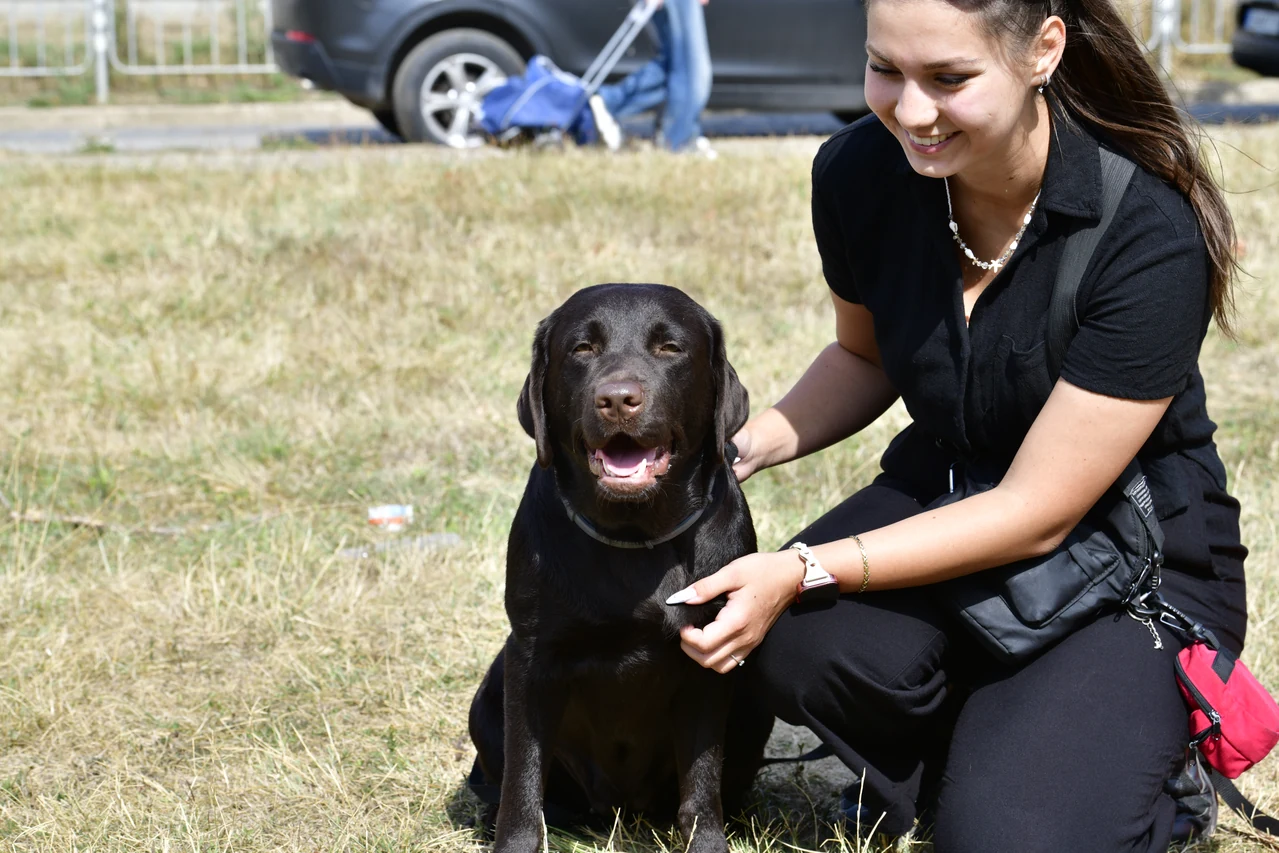
The aim is not to tolerate everything or greet everyone. Useful socialisation builds calm and predictability in different situations. Observing from a distance can be better than a series of intrusive greetings.
List the environments your puppy will live with: lifts, stairs, traffic, visitors, children or other animals. Choose a few priorities. Combine this with your puppy’s everyday foundations rather than adding constant new challenges.
Discuss health risks with your veterinarian
Ask which places and contacts suit age, vaccination status and local conditions. General online guidance should not replace that assessment.
Meanwhile, manageable home experiences can include safe surfaces, people at a distance and everyday sounds at low intensity. Observe reactions here too. Avoid sudden or forced introductions.
K9 / LET’S TALK
Let’s talk about your dog.
Call us to discuss the right training for your dog. Explore our programmes
Read signals and leave choices
A look towards something new followed by a relaxed return to you differs from freezing and tense watching. Crouching, withdrawal, hiding or prolonged tension means the situation should become easier.
Allow movement away. Do not hold your puppy still for petting. Refusing food may signal excessive difficulty, but consider it alongside the wider behaviour. Reduce intensity and offer rest.
First encounters with people and dogs
Choose a calm person who can wait for a voluntary approach. Touch is optional. Brief observation and a reward at a comfortable distance may be enough.
For dog meetings, choose a suitable, healthy and socially calm partner in line with veterinary advice. Avoid crowded places and group chasing. If you need help choosing contacts, discuss an individual socialisation programme.
Sounds, transport and new places
Start well away from busy areas and observe briefly. Increase duration or proximity only while your puppy remains comfortable. Do not combine a first bus encounter, unfamiliar dog and noisy café in one day.
Practise approaching a car, being inside briefly and travel separately when safe and appropriate. Never leave a dog in a hot car. Seek veterinary and behaviour support for sickness, pain or intense fear.
Plan one manageable experience
- Choose one goal, such as watching a person with an umbrella.
- Provide distance and an exit.
- Let your puppy notice without pressure to approach.
- Reward a relaxed return of attention.
- Finish after a brief positive moment and record the response.
Do not wait for distress to become extreme. Move away or finish. This gradual approach forms part of our training process.
Keep a journal rather than a checklist
“Saw a bicycle” tells you little. Note approximate distance, body movement, interest in rewards and recovery time. Choose the next task around your actual puppy.
Repeat easy experiences and allow days with less novelty. Rest is part of learning. Explore the Puppy: 30 Days guide for structured records and daily tasks.
Frequently asked questions
Should my puppy greet every dog?
No. Watching calmly and continuing with you is a useful skill itself.
What should I do about fear?
Create distance and choice. Avoid pushing towards the trigger. Seek assessment for repeated or increasing fear.
What counts as success?
Remaining comfortable or recovering easily without being forced to participate.
Sources and further reading
General principles follow guidance from American Veterinary Society of Animal Behavior on reward-based training and safe socialisation. This educational material is not an individual assessment. Seek a veterinarian and qualified professional for pain, sudden changes or bite risk.